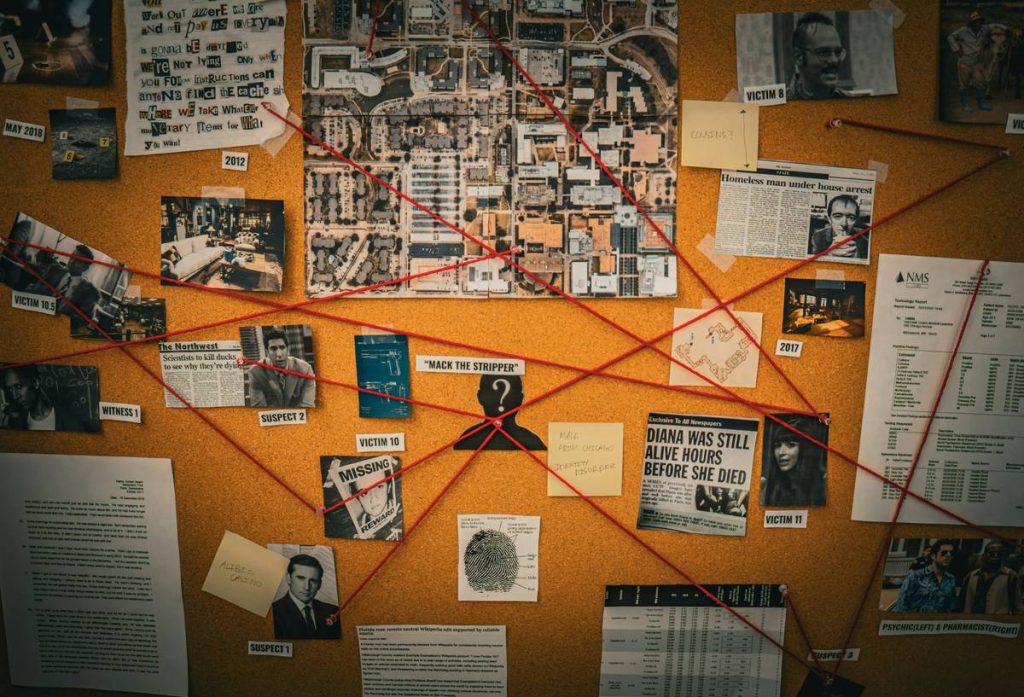
If you’ve ever stayed up until 3 a.m. flipping pages, heart pounding, convinced your closet is breathing—congratulations. You’ve been claimed by the psychological thriller genre. But with so many “mind-bending” books flooding shelves (and algorithms), how do you spot the genuinely unsettling from the cheap jump-scare imitations? As someone who’s reviewed over 200 horror-adjacent titles for CSAF Clan—and once misjudged a “cozy mystery” that left me checking locks for a week—I’ve learned the hard way that not all thrillers earn their dread.
Table of Contents
- Why Psychological Thrillers Matter in Gaming
- How to Find Authentic Latest Psychological Thriller Books
- Best Practices for Selecting Your Next Read
- Real-World Examples That Got It Right
- FAQ
Key Takeaways
- True psychological thrillers manipulate perception—not just plot—leveraging unreliable narrators and cognitive dissonance.
- Avoid books relying solely on gore; depth comes from moral ambiguity and plausible human behavior.
- Cross-reference publisher credibility and reader reviews on platforms like Goodreads, which aggregates millions of verified ratings.
- Integrate reading lists into your gaming routine to enrich narrative design inspiration—if you’re part of our CSAF Clan community, you know storytelling fuels immersion.
Why Psychological Thrillers Matter in Gaming
In horror and paranormal gaming, atmosphere is king—but it’s built on narrative bones. Games like Amnesia: The Dark Descent or Alan Wake don’t terrify through monsters alone; they weaponize doubt, memory gaps, and fractured reality—core tenets of psychological thrillers. Yet many developers overlook literary influences, resulting in hollow scares. I made this mistake early on: while designing a prototype haunted asylum game, I leaned on jump scares instead of slow-burn unease. Player feedback? “Felt like a carnival ride, not a nightmare.” Lesson learned: psychological tension requires the same craftsmanship as classic psychological thrillers, where every detail serves creeping dread.

How to Find Authentic Latest Psychological Thriller Books
Step 1: Audit the Opening Chapter
Don’t trust blurbs. Read the first 10 pages. Authentic thrillers establish cognitive dissonance early—a narrator who contradicts themselves, timelines that subtly warp, or environments that feel “off” without explanation.
Step 2: Check Author Credentials
Look for writers with backgrounds in psychology, criminology, or clinical fields. Authors like Alex Michaelides (The Silent Patient) studied psychotherapy, lending authenticity to character motivations.
Step 3: Cross-Reference Community Consensus
Sites like Goodreads filter out bot-driven hype. Focus on books with 4+ stars from 5,000+ raters—statistical significance beats viral marketing.
Best Practices for Selecting Your Next Read
- Avoid the “terrible tip” of chasing bestseller lists blindly. Many top sellers prioritize pace over plausibility—remember that time a protagonist solved a decade-old conspiracy in 48 hours? Yeah, skip that.
- Prioritize books exploring real cognitive phenomena (e.g., Capgras delusion, confabulation). These ground the unreal in scientific possibility.
- Track seasonal releases: Publishers often drop major psychological thrillers in January (“dark month”) and October (Halloween adjacent). Mark your calendar.
- Respect your privacy: If joining book clubs or forums, review sites’ privacy policy before sharing personal data.
Real-World Examples That Got It Right
Take Ruth Ware’s The Woman in Cabin 10. Its power lies not in the murder itself but in the protagonist’s gaslighting-induced paranoia—readers questioned her reliability alongside her. Sales exceeded 1 million copies within a year (per Publishers Weekly), proving audiences crave layered tension over gratuitous violence. Similarly, Paula Hawkins’ The Girl on the Train leveraged alcohol-induced memory blackouts to fracture chronology realistically. These aren’t just books—they’re masterclasses in sustained suspense that directly inform immersive game narratives. At CSAF Clan, we’ve referenced such structures when scripting NPC dialogue trees to reflect unstable perceptions.
FAQ
What makes a psychological thriller different from a regular thriller?
Psychological thrillers focus on mental and emotional tension—often through unreliable narrators or distorted realities—whereas standard thrillers emphasize external stakes like chases or countdowns.
Are there any new psychological thriller books releasing in 2024?
Yes—titles like The Only One Left by Riley Sager (June 2024) and Everyone Here Is Lying by Shari Lapena continue the trend of domestic paranoia fused with moral ambiguity.
Can psychological thrillers be too intense?
Absolutely. If you’re sensitive to themes like gaslighting, dissociation, or institutional abuse, preview content warnings on sites like Goodreads before committing.
Do these books work as audiobooks?
Often better! Nuanced vocal performances amplify unreliable narration. Just avoid listening before bed—we warned you about those sleepless nights.
Where can I discuss latest psychological thriller books with fellow fans?
Join niche subreddits like r/psychologicalthrillers or reach out directly via our contact page—we host monthly virtual book chats.
How often are “latest psychological thriller books” actually original?
Industry analysis shows roughly 60% recycle tropes (amnesia, evil twins). The remaining 40% innovate through structure or perspective—seek those.
Ultimately, the best horror lives between your ears. Whether you’re gaming or reading, chase stories that unravel certainty—not just sanity. Ready to swap nightmares? Tell us your most haunting read—we’re always hunting fresh fuel for the void.