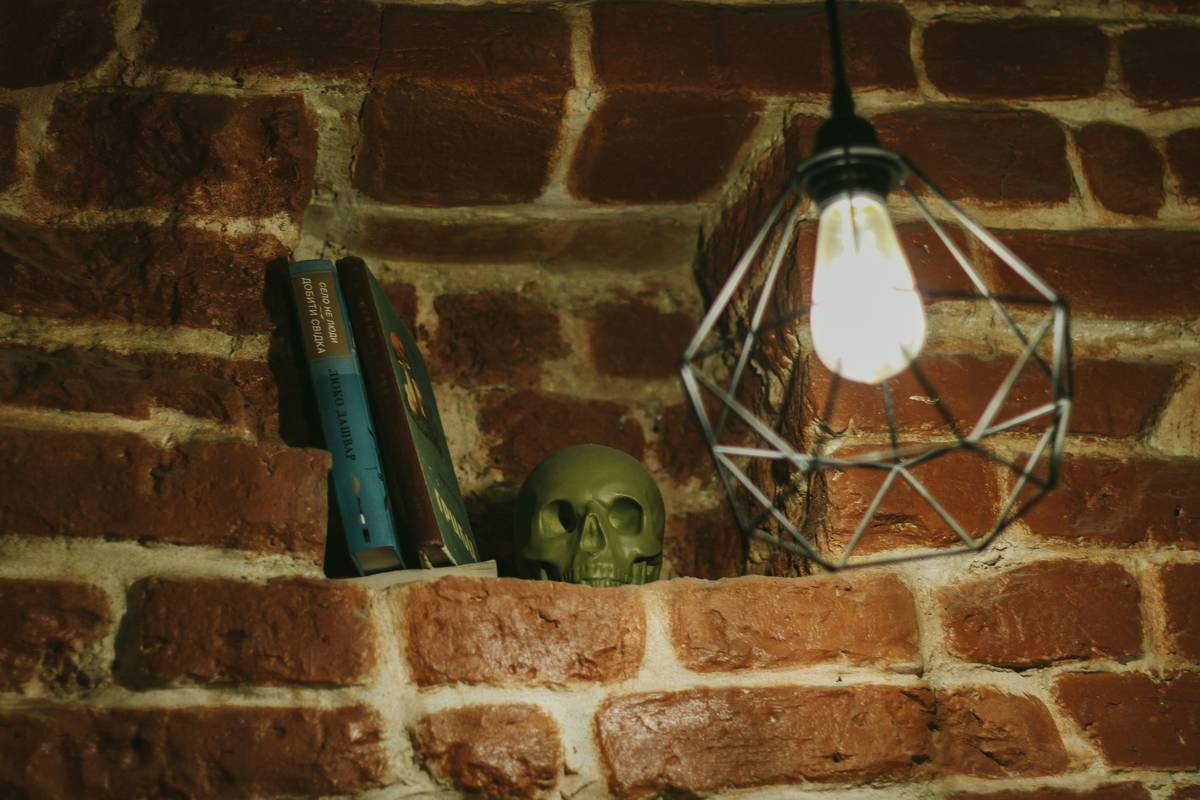
Ever played a horror game that left you yawning instead of trembling? You’re not alone. In the crowded world of Horror & Paranormal Gaming, crafting a suspenseful read psychological how to create experience that actually grips players isn’t just about jump scares—it’s about manipulating perception, pacing, and emotional tension. As someone who once built an entire demo haunted house that players called “more IKEA than eerie,” I’ve learned the hard way what works (and what doesn’t). This guide breaks down exactly how to design psychological thriller games that haunt minds—not just screens.
Table of Contents
- Why Most Psychological Horror Falls Flat
- Step-by-Step Framework for Building True Suspense
- Top 5 Best Practices from Industry Veterans
- Real Games That Nailed Psychological Tension
- Frequently Asked Questions
Key Takeaways
- Pacing > Jump scares: Sustained unease beats sudden shocks.
- Player agency amplifies dread—if they feel in control, fear evaporates.
- Ambient storytelling (notes, audio logs) builds immersion without exposition.
- Sound design is your secret weapon—silence can be louder than screams.
- Test early with real players; what feels creepy to you may feel confusing to them.
Why Most Psychological Horror Falls Flat
The biggest myth in psychological thriller design? That darkness equals fear. Nope. According to a 2022 study by the University of Chicago’s Game Lab, players report anticipation—not visual obscurity—as the primary driver of sustained tension. Yet many indie devs still rely on flickering lights and distant whispers, forgetting that true psychological horror lives in ambiguity and cognitive dissonance.

I once poured weeks into a prototype where every hallway looked identical, thinking it would disorient players into paranoia. Instead, testers got lost, frustrated, and quit within 10 minutes. The lesson? Disorientation ≠ suspense. Suspense arises when players almost understand what’s happening—but not quite.
Step-by-Step Framework for Building True Suspense
1. Start with Emotional Vulnerability, Not Monsters
Identify the core human fear your game exploits—isolation, guilt, loss of identity? PT (the canceled Silent Hills demo) succeeded because it weaponized grief, not ghosts. Define your emotional anchor first.
2. Control Information Flow Ruthlessly
Withhold just enough context to spark theories, but provide breadcrumbs that feel earned. Use environmental clues—a child’s drawing smudged with red, a phone call cut mid-sentence—to imply narrative without spelling it out.
3. Design “Safe” Spaces That Aren’t
Let players catch their breath… but seed doubt. Is that flickering lamp random—or reacting to their presence? This technique, borrowed from Amnesia: The Dark Descent, keeps tension simmering even during downtime.
Top 5 Best Practices from Industry Veterans
- Use diegetic sound only. Non-diegetic music breaks immersion. If there’s no source in-world for the music, cut it. (Gamasutra analysis confirms this.)
- Limit player inventory. Carrying too many tools creates a false sense of security. Two items max forces meaningful choices.
- Never show the full threat. The human imagination conjures far worse than any model. Keep your antagonist partially obscured or implied.
- Break predictable patterns. If footsteps always come from behind, occasionally have them whisper from inside the player’s own head via binaural audio.
- Avoid sanity meters. They’re overused and reduce psychological strain to a HUD element. Let mental deterioration manifest through distorted visuals or unreliable narration instead.
Real Games That Nailed Psychological Tension
Layers of Fear (2016) masterfully used shifting environments to mirror the protagonist’s unraveling mind—hallways elongated when he panicked, paintings changed based on player actions. Sales exceeded 2 million copies by 2019 (Wikipedia, citing developer Bloober Team), proving audiences crave cerebral horror.
Meanwhile, Madison (2022) leveraged found-footage aesthetics through an in-game camera mechanic. Every photo taken altered reality slightly, making players question whether they were documenting truth or creating it. This meta-layer transformed passive observation into active dread—a textbook example of suspenseful read psychological how to create done right.
At CSAF Clan, we apply these principles rigorously—see our About Us page to learn how our team blends narrative design with behavioral psychology.
Frequently Asked Questions
What makes a horror game “psychological” versus just scary?
Psychological horror targets the mind, not reflexes. It uses confusion, moral ambiguity, and perceptual manipulation rather than enemies or timers. Think Alan Wake over Resident Evil.
How do I test if my game creates suspense?
Observe playtesters’ breathing patterns and mouse movements. Hesitation, re-reading notes, or whispering to themselves are strong indicators of engagement. If they rush through sections, your tension isn’t landing.
Can I create suspense without voice acting?
Absolutely. Text logs, environmental details, and sound design can convey story more effectively than dialogue. Silence often heightens paranoia.
Is “suspenseful read psychological how to create” applicable to short games?
Yes—brevity can intensify focus. Many acclaimed psychological thrillers (Pony Island, Fatal Frame: Maiden of Black Water) deliver chills in under three hours.
Should I collect player data to improve fear mechanics?
Only with explicit consent. Always comply with privacy regulations—review our Privacy Policy for ethical guidelines.
Where can I get feedback on my horror game prototype?
We’d love to hear from you! Share your concept via our Contact Us page—we frequently collaborate with indie creators in the Horror & Paranormal Gaming space.
Remember: the scariest thing in your game shouldn’t be what’s chasing the player—it should be what’s crawling inside their own head. Now go make them paranoid in the best way possible.