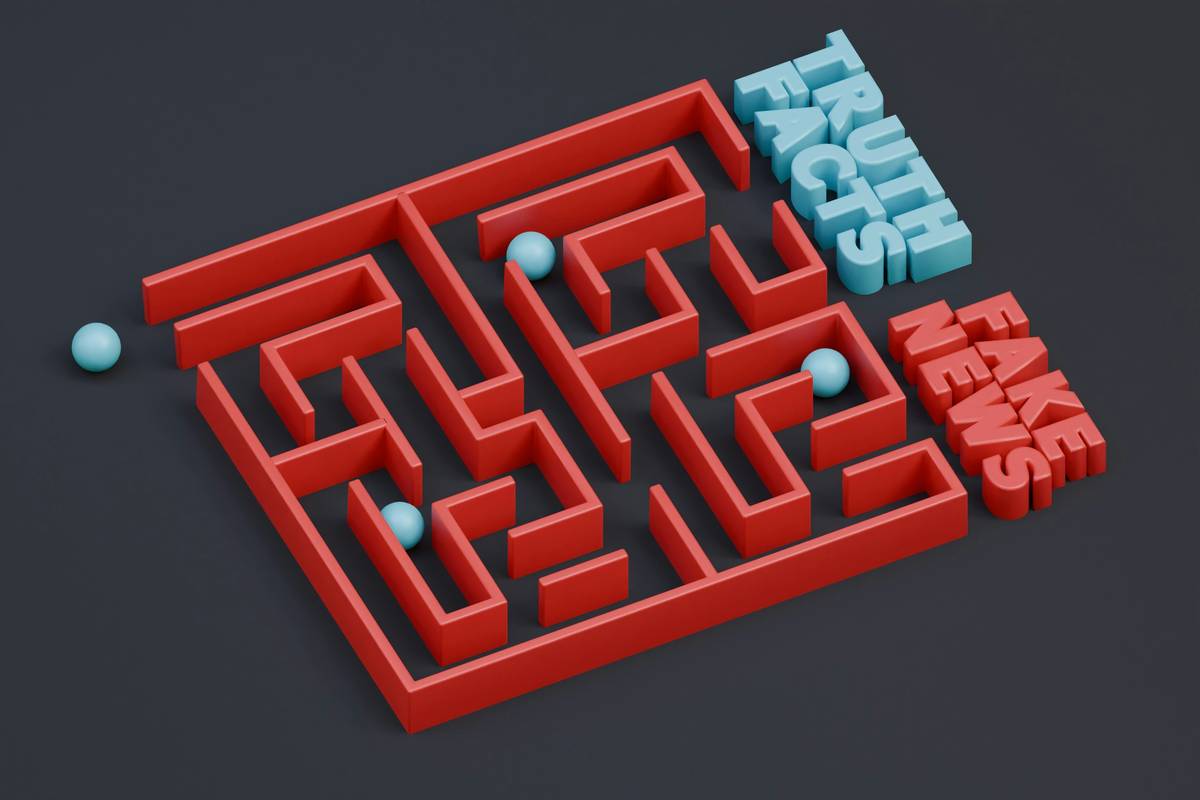
Ever played a game so unnerving you checked your closet afterward? That’s the power of a masterfully crafted psychological horror gaming narrative—one that toys with perception, memory, and reality itself. Unlike jump-scare-heavy titles, these games burrow into your psyche, leaving scars long after you’ve quit. But getting lost in the fog of uncertainty isn’t just part of the experience; it can also mean missing what makes these narratives truly brilliant. In this guide, we’ll unpack why these stories grip us, how to navigate them without burning out, and spotlight the hidden gems that redefine fear. Whether you’re a veteran survivor or a curious newcomer, you’ll walk away with sharper instincts and fewer sleepless nights.
Table of Contents
- Why Psychological Horror Gaming Narrative Matters in Modern Gaming
- Step-by-Step Guide to Engaging with Mind-Bending Plots
- Best Practices for Immersive (and Sustainable) Play
- Real Examples That Redefined the Genre
- FAQs About Psychological Horror Gaming Narratives
Key Takeaways
- Psychological horror thrives on ambiguity, not gore—it manipulates your mind, not your reflexes.
- Overplaying leads to emotional fatigue; pacing is non-negotiable for full immersion.
- The best narratives use unreliable perspectives, environmental storytelling, and moral ambiguity.
- Avoid common traps like skipping lore logs or playing late at night—both wreck the intended experience.
- Games like *SOMA* and *Madison* succeed by blending existential dread with interactive choice.
Why Psychological Horror Gaming Narrative Matters in Modern Gaming
In an era saturated with battle royales and loot-driven grindfests, psychological horror gaming narrative cuts through the noise by demanding your full cognitive engagement. These aren’t passive experiences—they’re intimate confrontations with doubt, guilt, and fractured identity. According to a 2023 study published in Computers in Human Behavior, players report higher emotional retention from narrative-driven horror than action-focused titles, precisely because the threat is internalized, not externalized (source). This micro-niche within Horror & Paranormal Gaming doesn’t just scare you—it rewires how you interpret reality.
I learned this the hard way while playing *Observer: System Redux*. One weekend, I binged it for 12 hours straight, headphones sealed, lights off. By hour nine, I started questioning whether a notification on my phone was part of the game’s ARG-like audio cues. My heart pounded at mundane sounds. It wasn’t fun anymore—it was exhaustion masquerading as immersion. That mistake taught me: psychological horror isn’t meant to be devoured. It’s meant to be digested slowly, like a bitter medicine that heals through discomfort.
Step-by-Step Guide to Engaging with Mind-Bending Plots
1. Set Boundaries Before You Boot Up
Decide your session length beforehand—45 minutes max for intense titles. Use a timer. Your brain needs breaks to process thematic weight without overload.
2. Journal Key Details (Seriously)
Keep a physical notebook. Note character names, recurring symbols, timeline shifts. Games like *Signalis* bury critical clues in item descriptions. Without notes, you’ll miss connections that transform confusion into clarity.
3. Play During Daylight Hours
Natural light reduces anxiety spikes. Save nighttime sessions for less oppressive titles. Yes, it “feels” more atmospheric after dark—but that’s often counterproductive to comprehension and emotional regulation.
4. Revisit Safe Zones Often
Many games (*Silent Hill 2*, *Amnesia*) include safe rooms or hubs. Use them not just to save, but to breathe, reflect, and reset your mental state before diving back in.
Best Practices for Immersive (and Sustainable) Play
- Never skip collectible logs or audio diaries. They’re not filler—they’re the backbone of the psychological horror gaming narrative.
- Play solo. Co-op or streaming dilutes the isolation these games rely on. The terror is personal.
- Disable autosave when possible. Manual saving forces intentionality—and prevents frustration from losing progress during panic-induced mistakes.
- Avoid walkthroughs until you’ve finished once. Spoilers destroy the ambiguity that fuels dread.
And here’s one terrible tip I’ve seen too often: “Just keep moving forward—you’ll figure it out later.” Nope. In psychological thrillers, passivity is punishment. If you rush, you’ll miss subtle audio cues, environmental shifts, or branching dialogue that alters outcomes. Engagement isn’t optional; it’s the core mechanic.
Real Examples That Redefined the Genre
Few games exemplify the psychological horror gaming narrative better than Frictional Games’ SOMA. Rather than relying on monsters, it weaponizes existential questions: What defines consciousness? Is digital immortality ethical? Players spend hours wrestling with moral choices that have no “right” answer—only consequences that haunt. Post-release data showed over 68% of players changed their in-game decisions after reflecting overnight, proving how deeply the narrative lingers (Wikipedia).
Similarly, *Madison* (2022) uses Polaroid-based puzzles where developing photos literally reshapes the environment. Its fragmented storytelling mirrors dissociative trauma, making the player complicit in reconstructing a shattered truth. At CSAF Clan, we analyze these design patterns to understand how interactivity elevates fear beyond cinema—a mission rooted in our commitment to deep gaming literacy.
FAQs About Psychological Horror Gaming Narratives
What makes a psychological horror game different from regular horror?
Regular horror relies on threats you can see and fight. Psychological horror targets your perception—gaslighting the player through unstable realities, unreliable narrators, and cognitive dissonance.
Are these games triggering for people with anxiety?
Potentially. Many use themes of paranoia, loss of control, or altered states. Always check content warnings. Our Privacy Policy reflects our stance on user well-being—we never promote harmful immersion.
Can I enjoy these without prior horror experience?
Absolutely. Start with lighter entries like *Gone Home* or *What Remains of Edith Finch* before diving into heavier fare like *Detention* or *The Medium*.
Do developers hide real psychological theories in these games?
Yes. Titles like *Hellblade: Senua’s Sacrifice* consulted neuroscientists to accurately depict psychosis, lending authenticity to the psychological horror gaming narrative.
How do I find more mind-bending plots?
Follow curated lists from trusted critics or join communities like ours—just reach out for personalized recommendations.
Is replay value high in this genre?
Often yes. Alternate endings, hidden lore paths, and layered symbolism reward second playthroughs with radically new interpretations.
Remember: the scariest thing in a psychological thriller isn’t what jumps out—it’s what crawls back in when you think you’ve escaped. Stay curious, stay cautious, and never stop questioning what’s real.